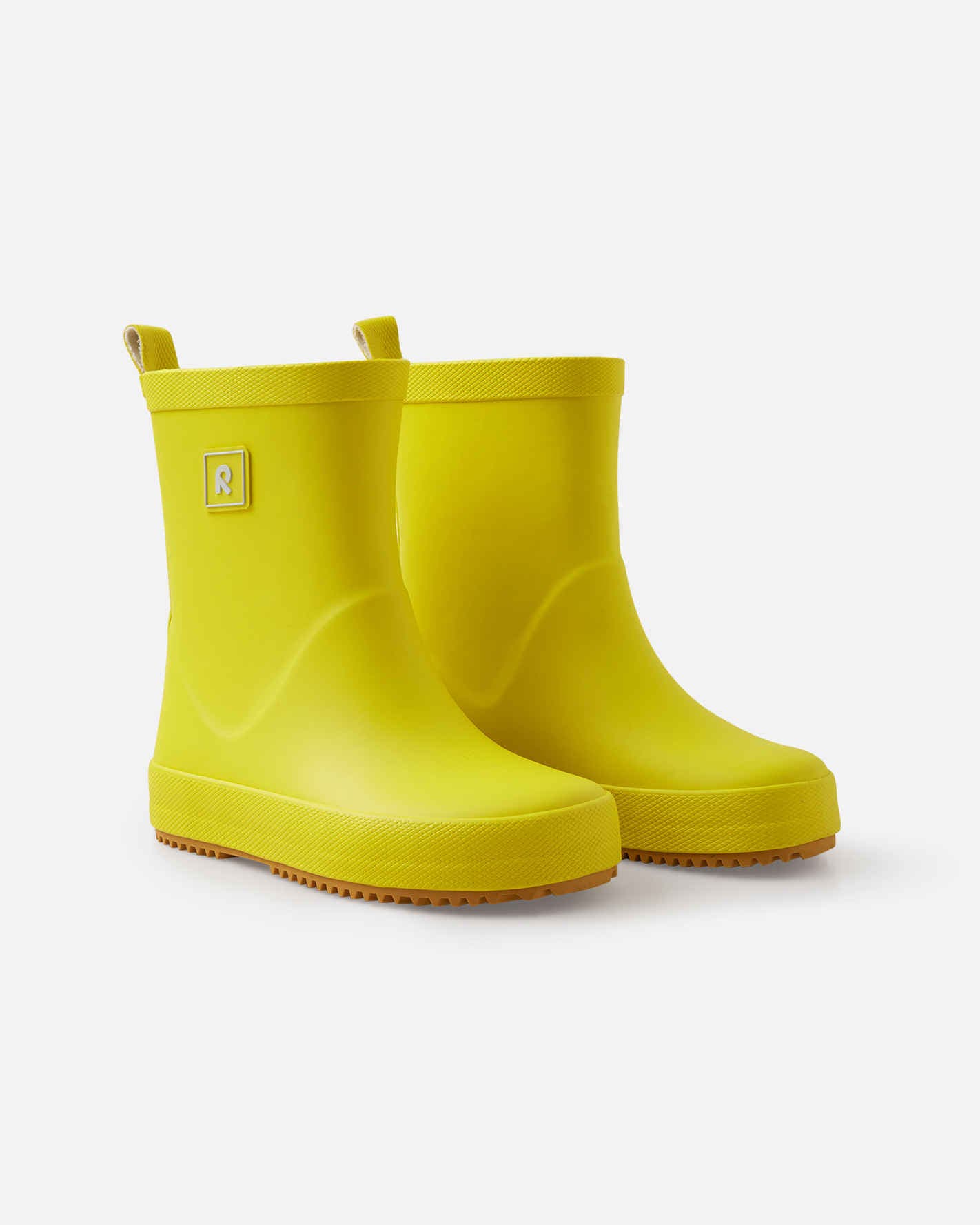
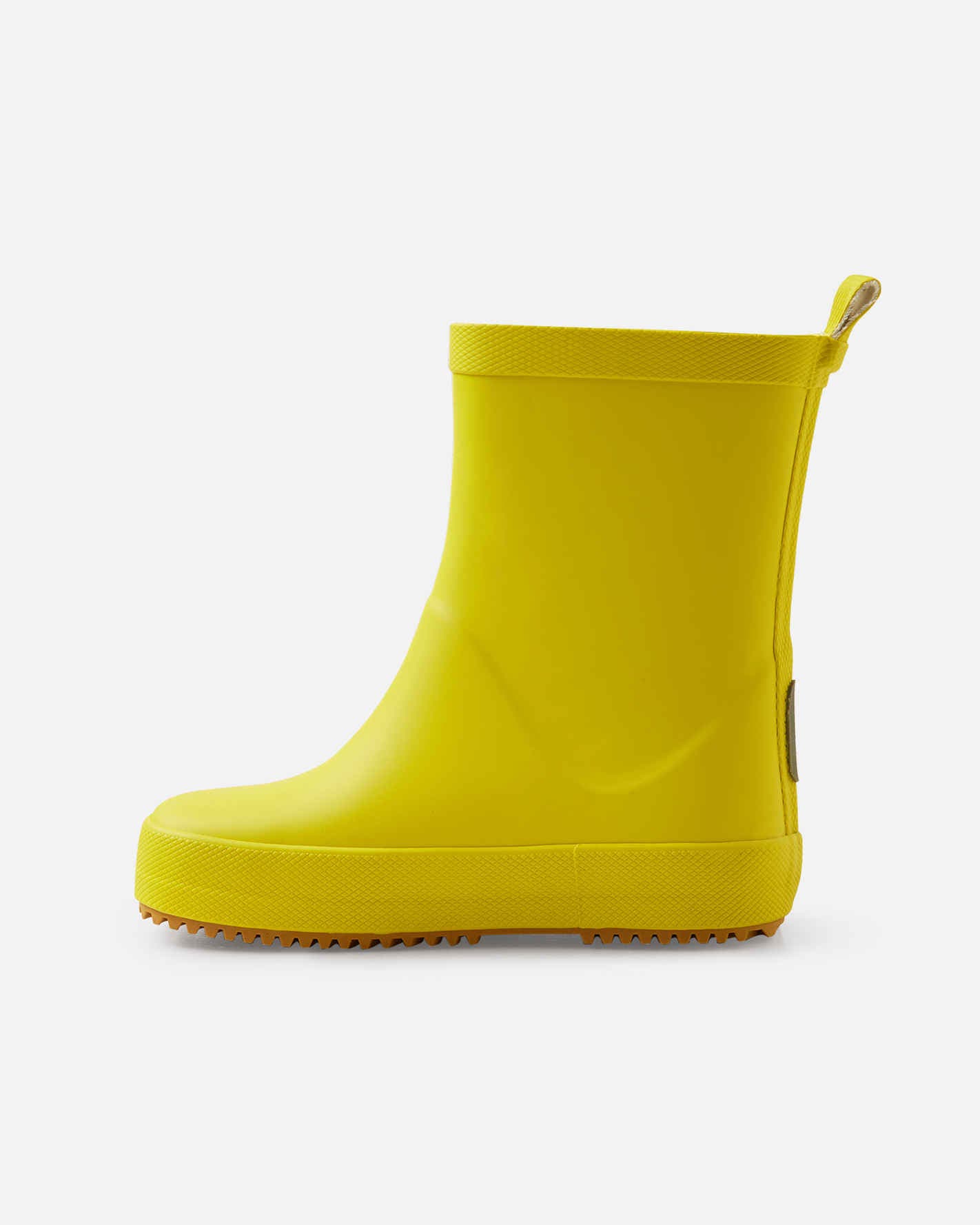
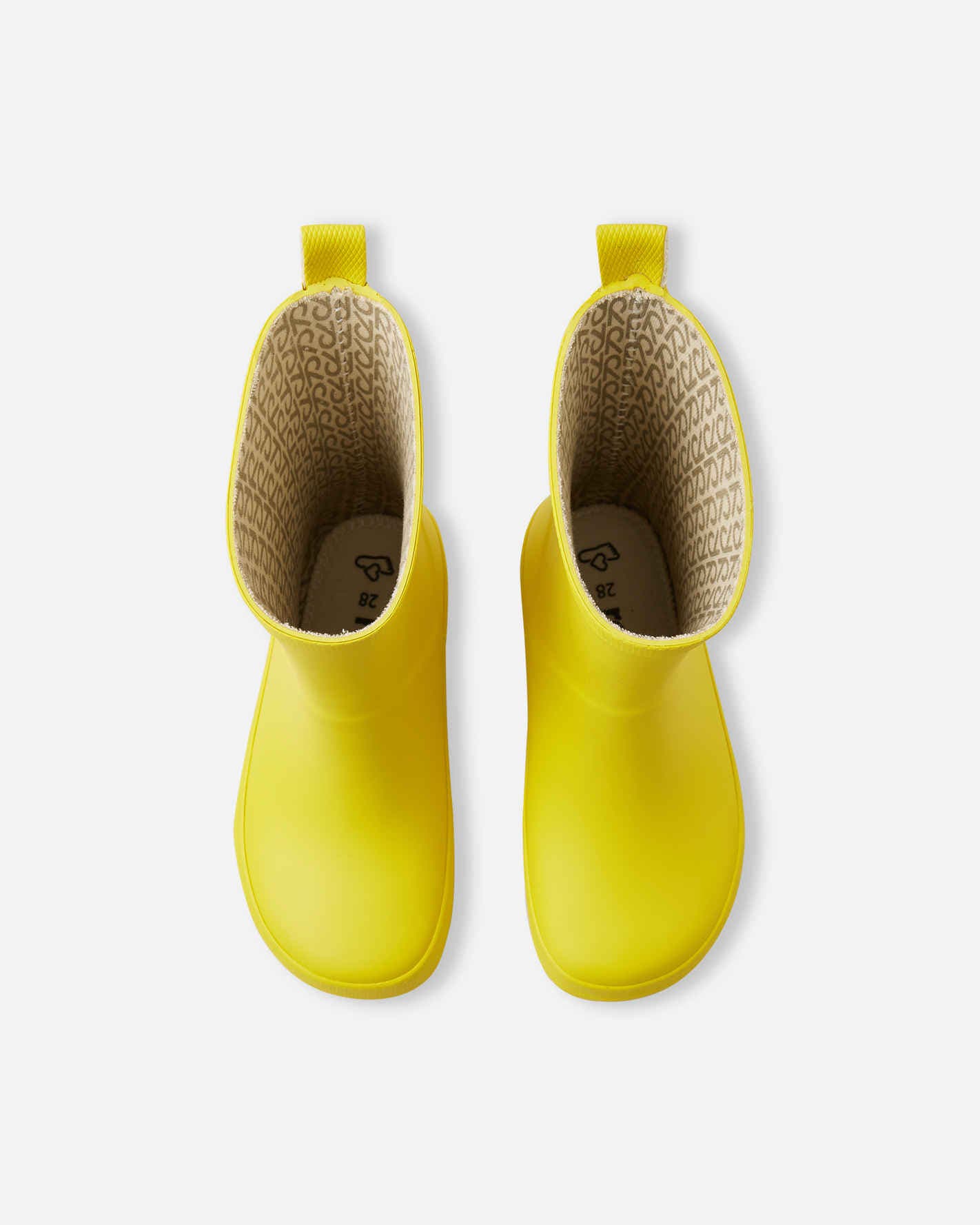
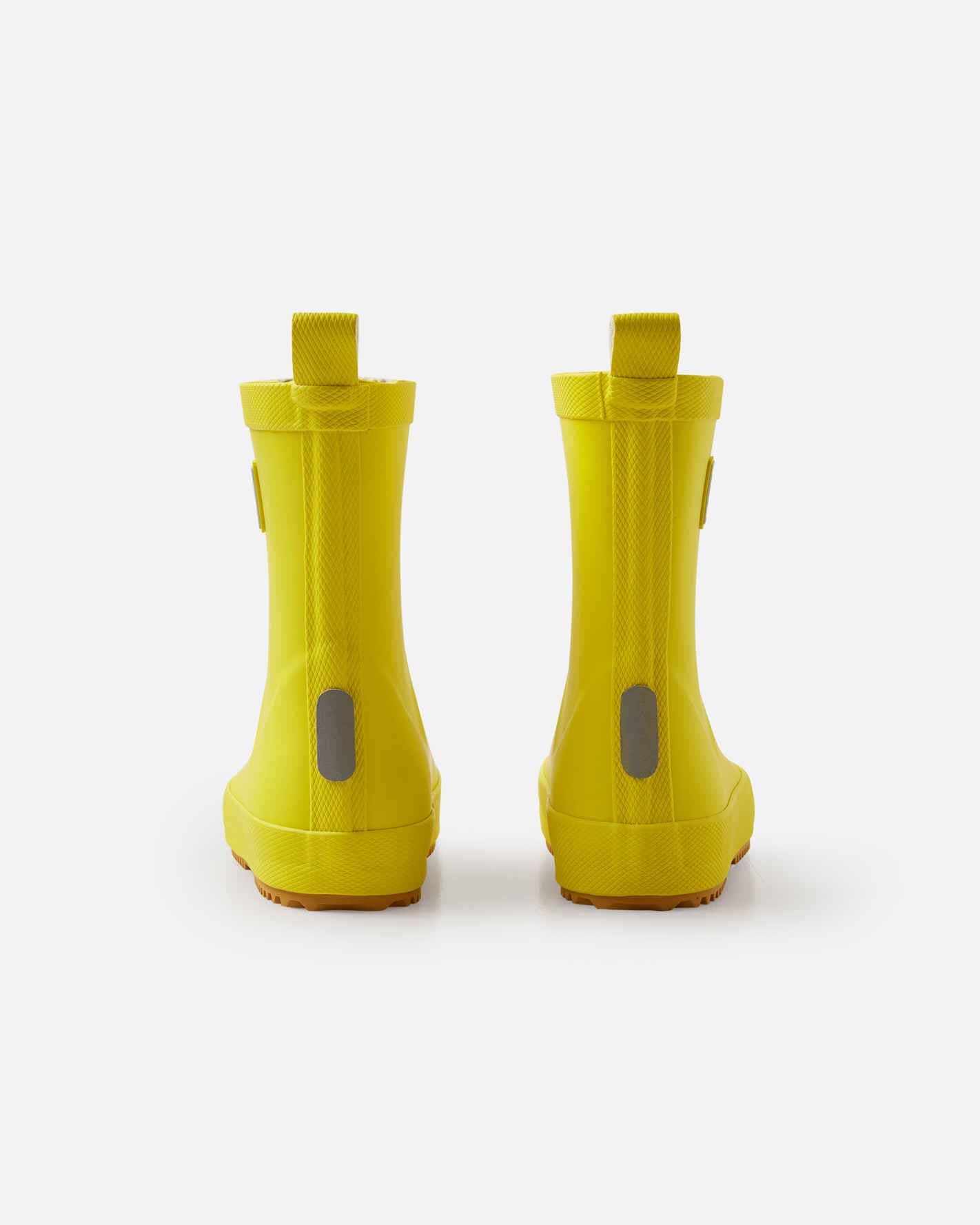
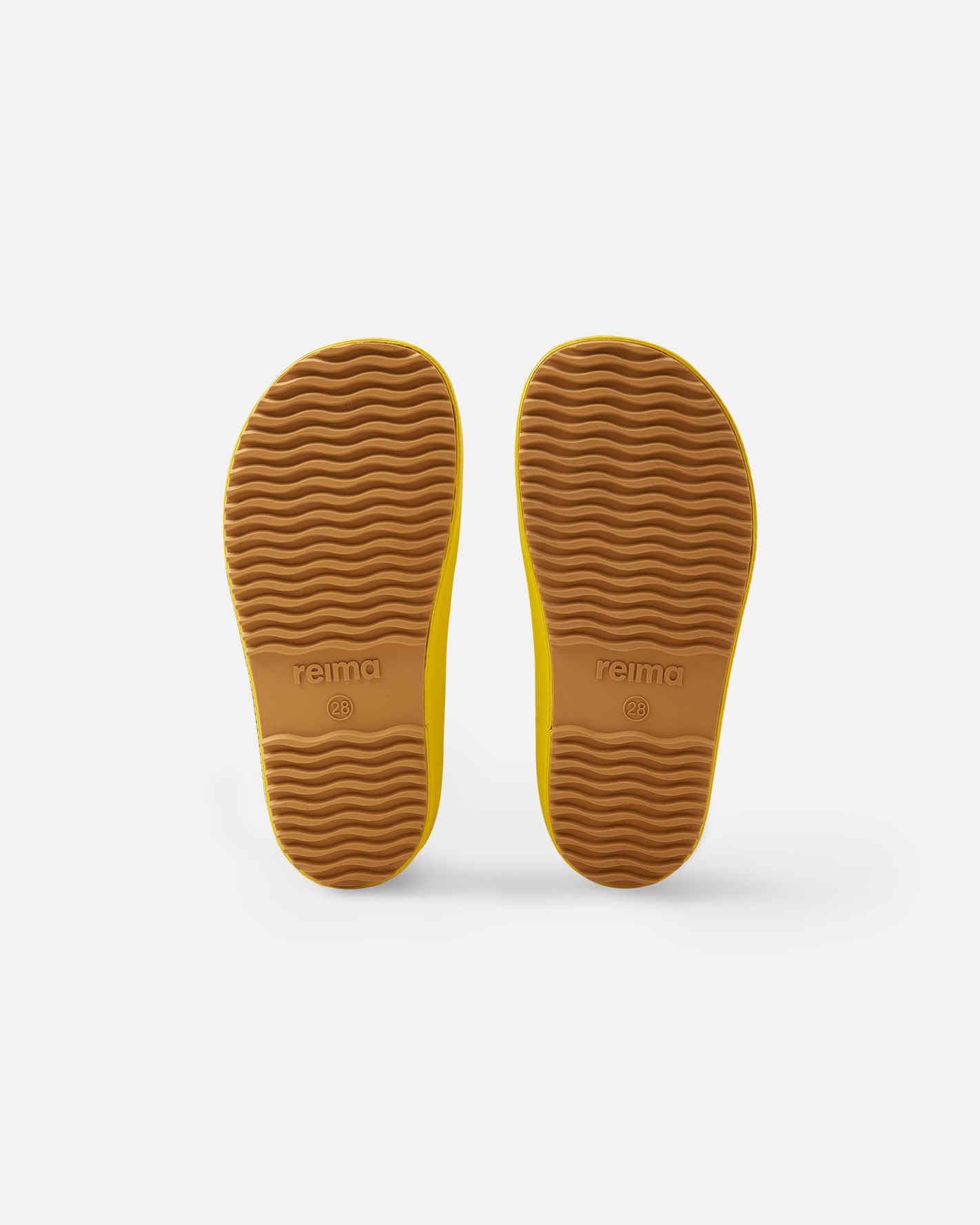
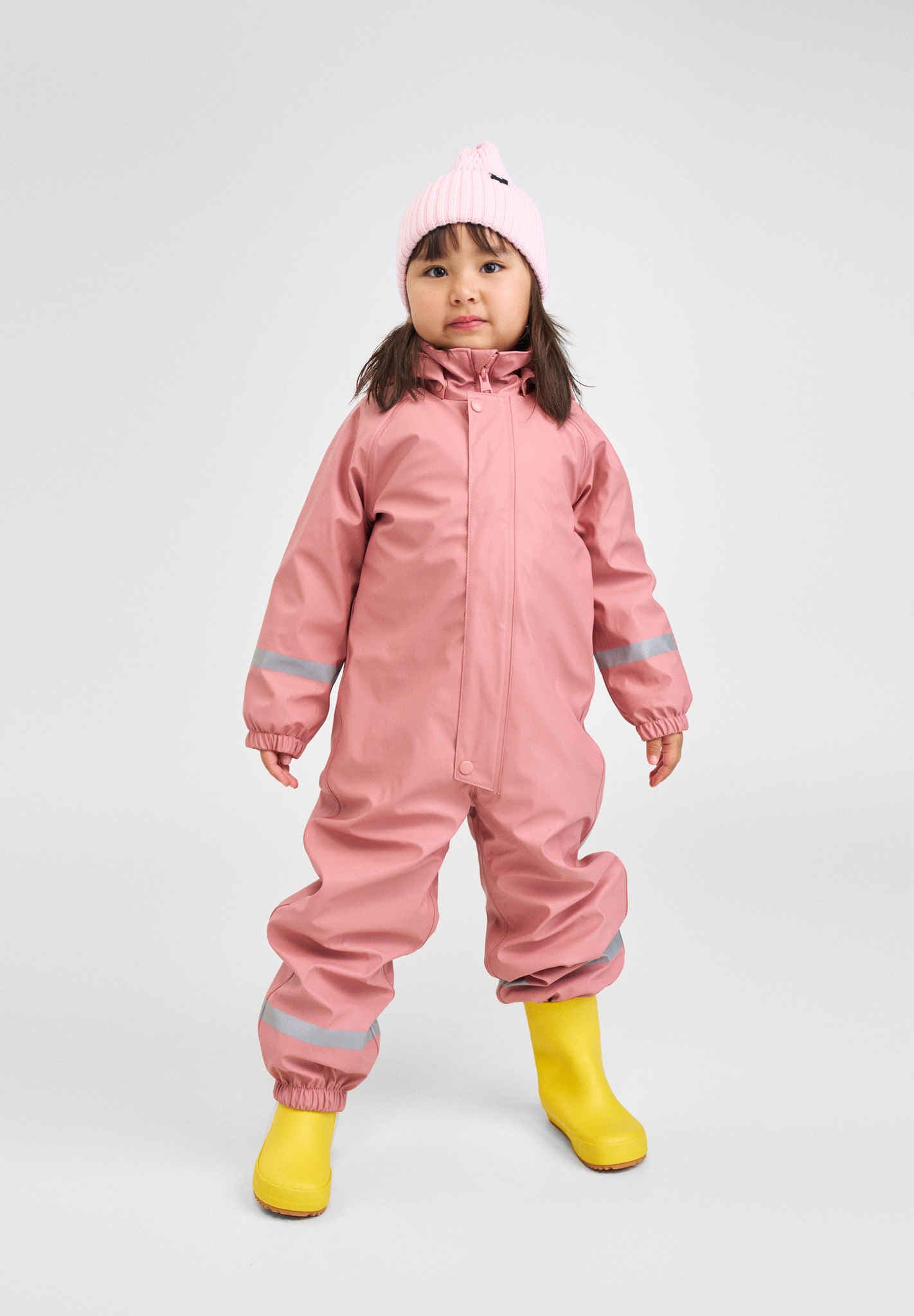
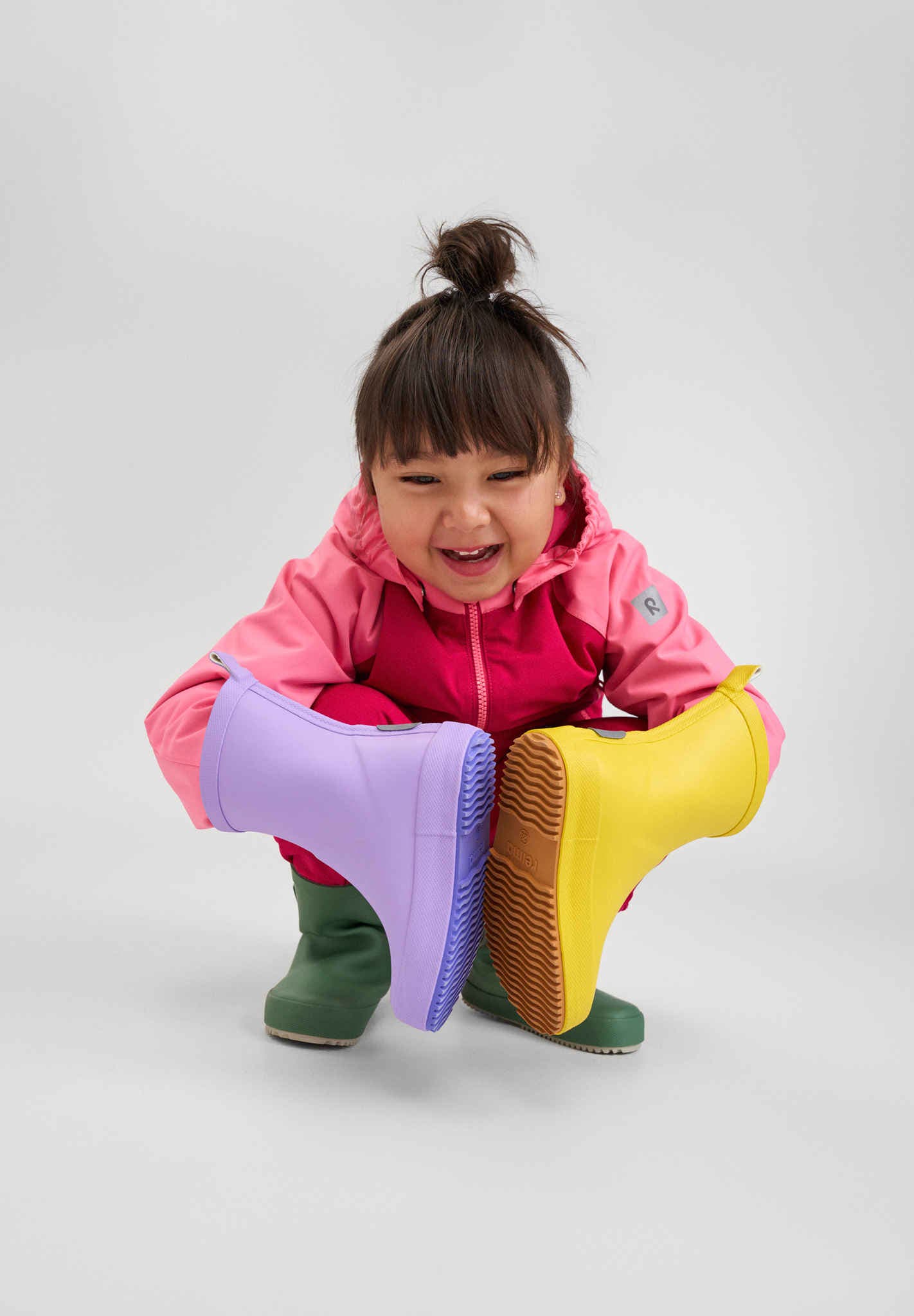
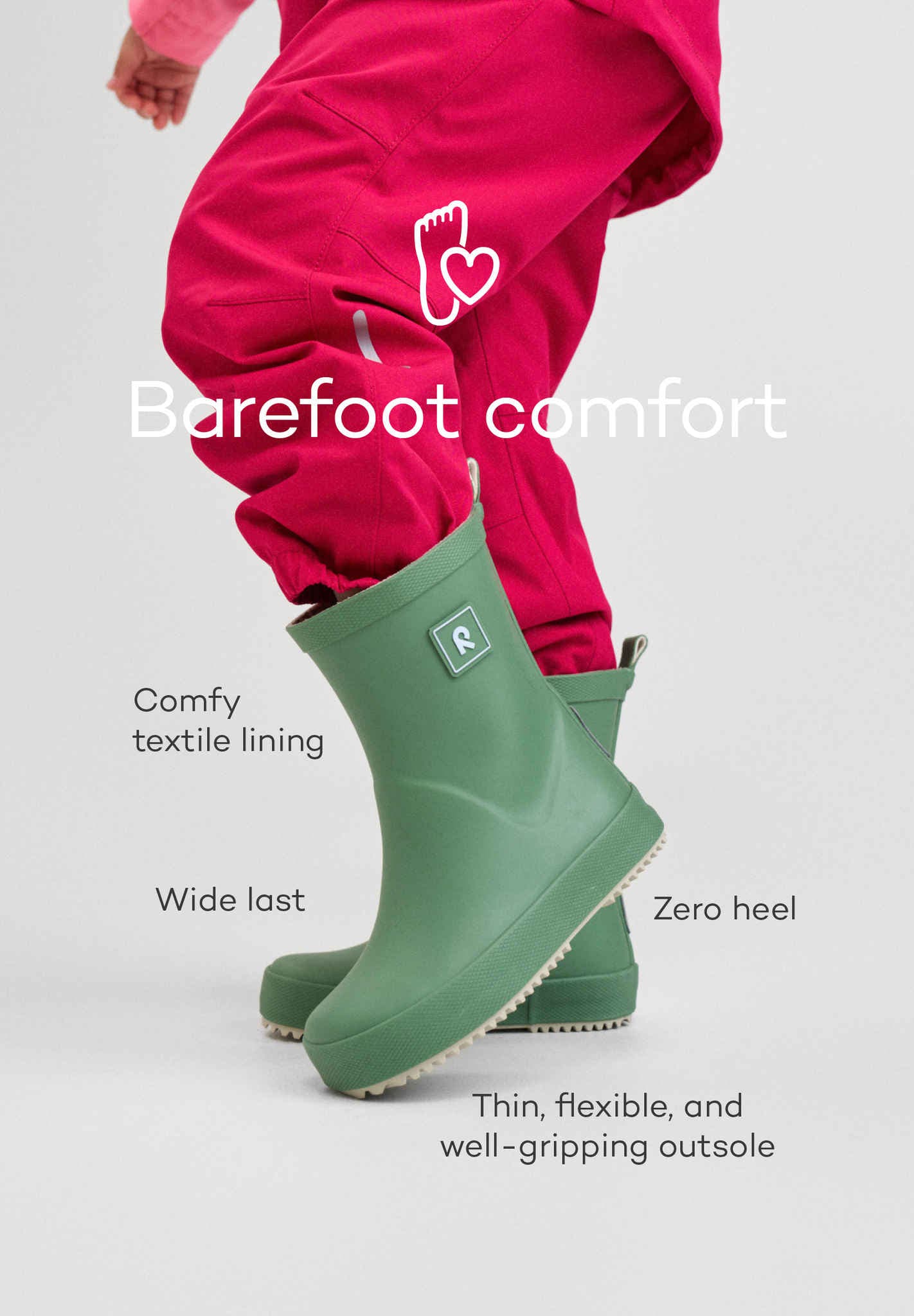
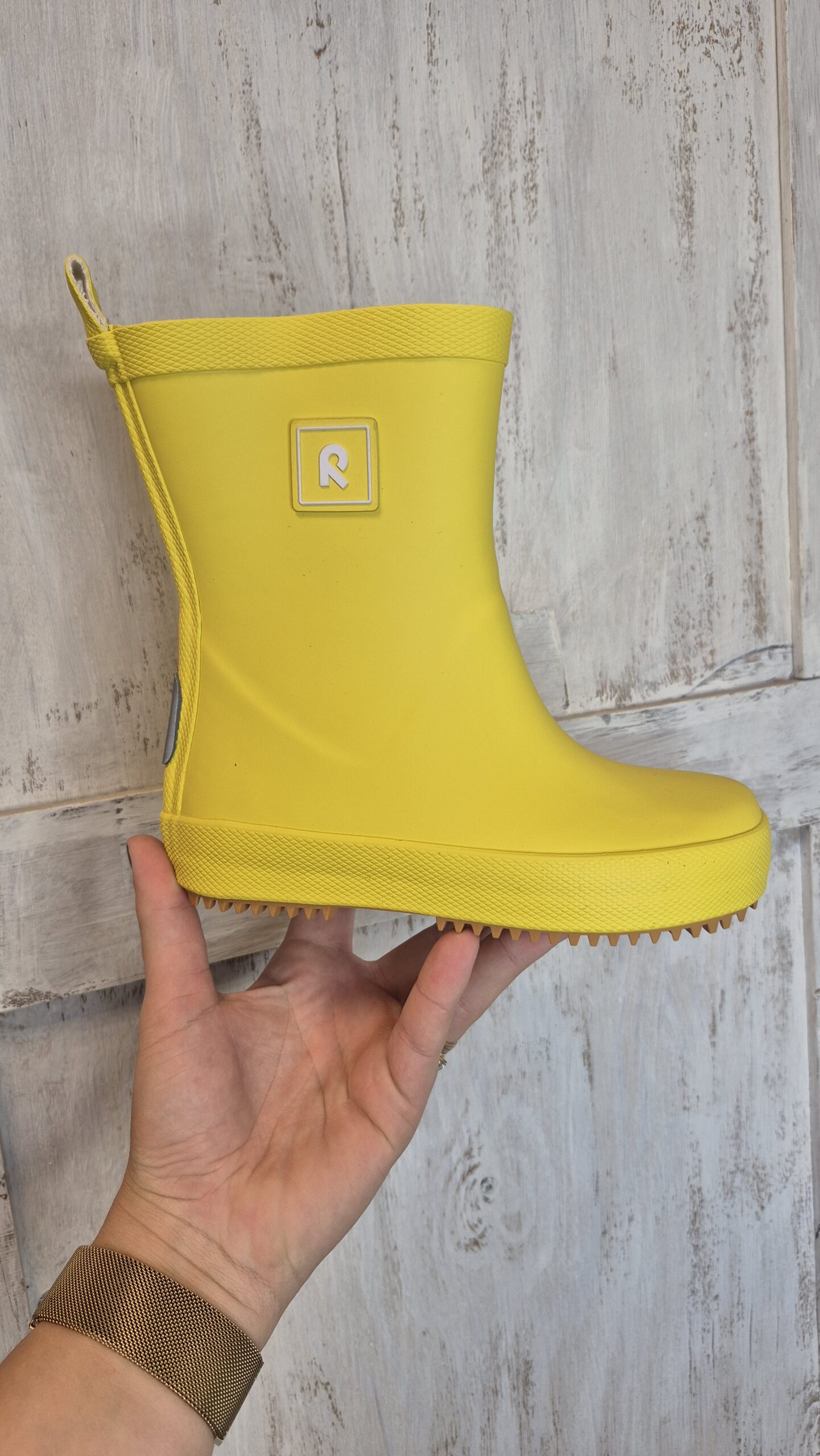
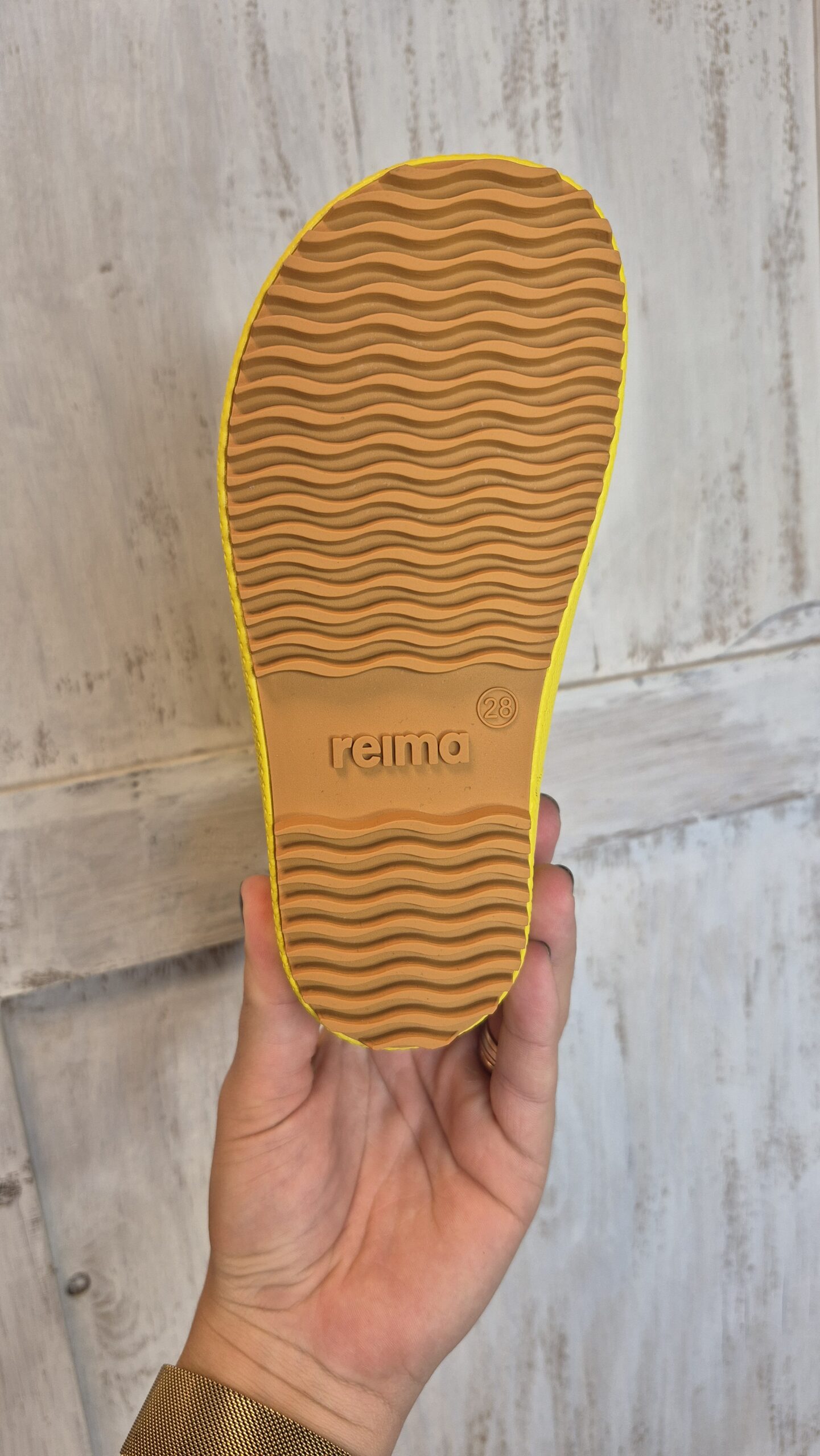
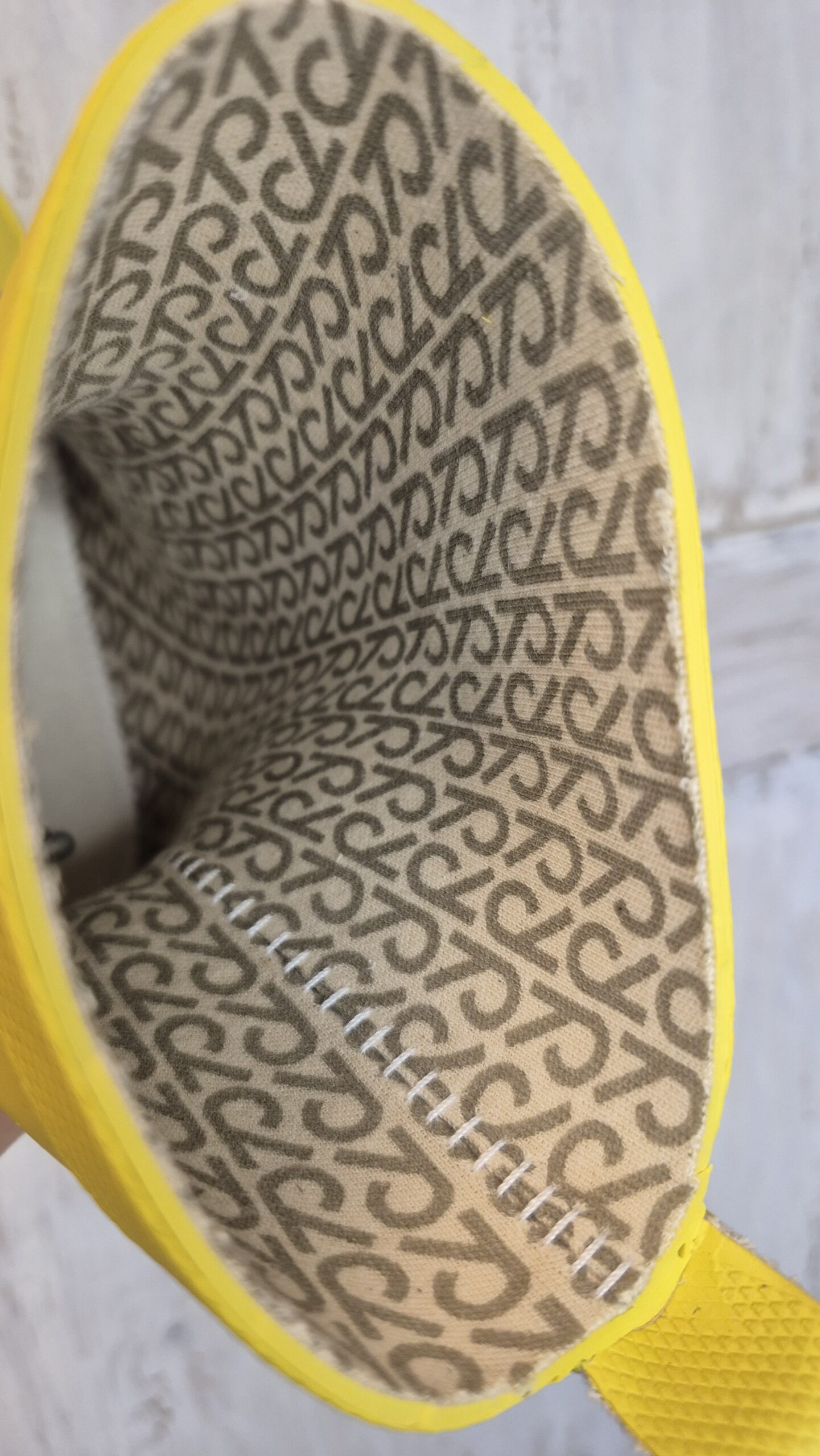
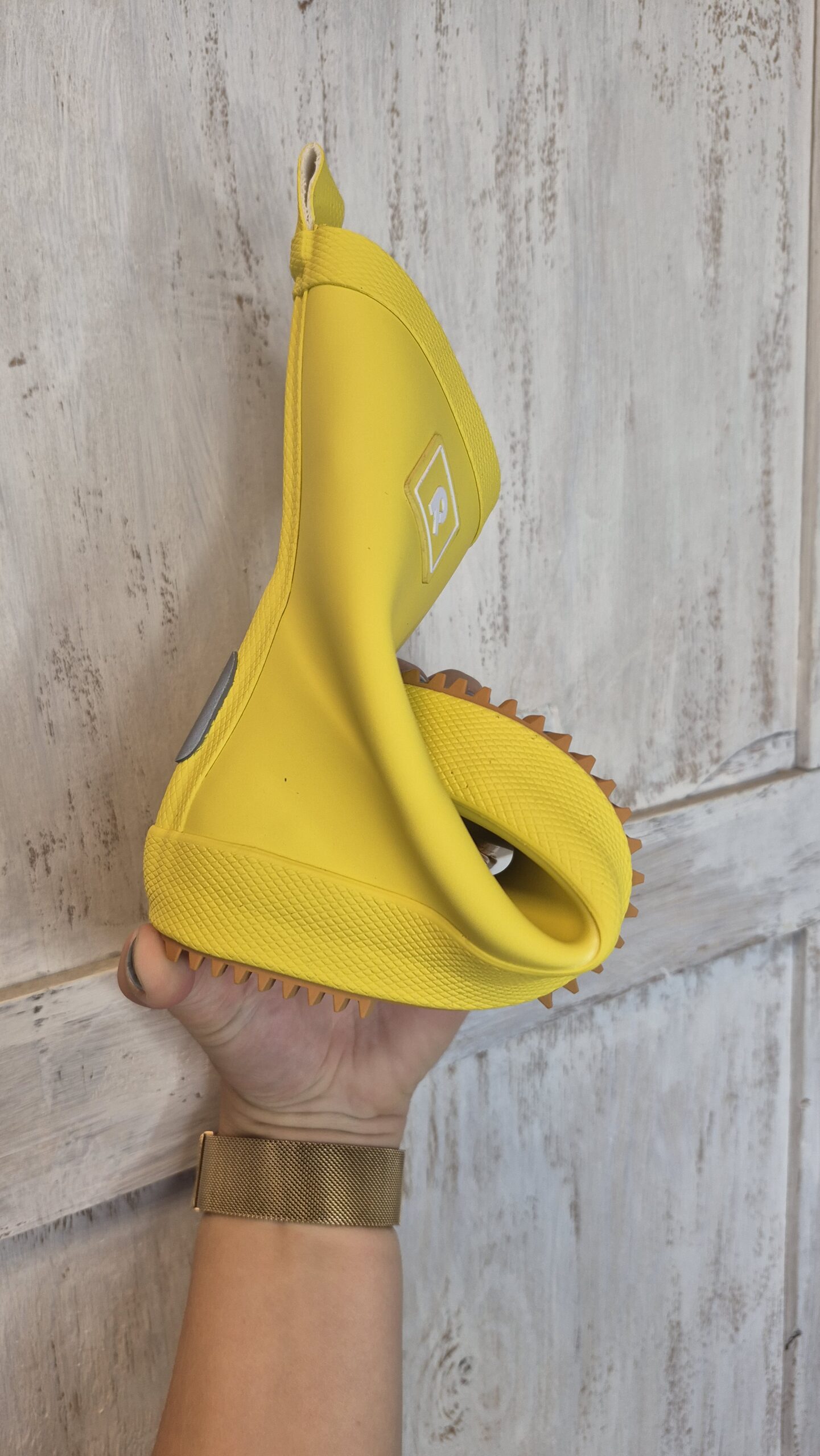
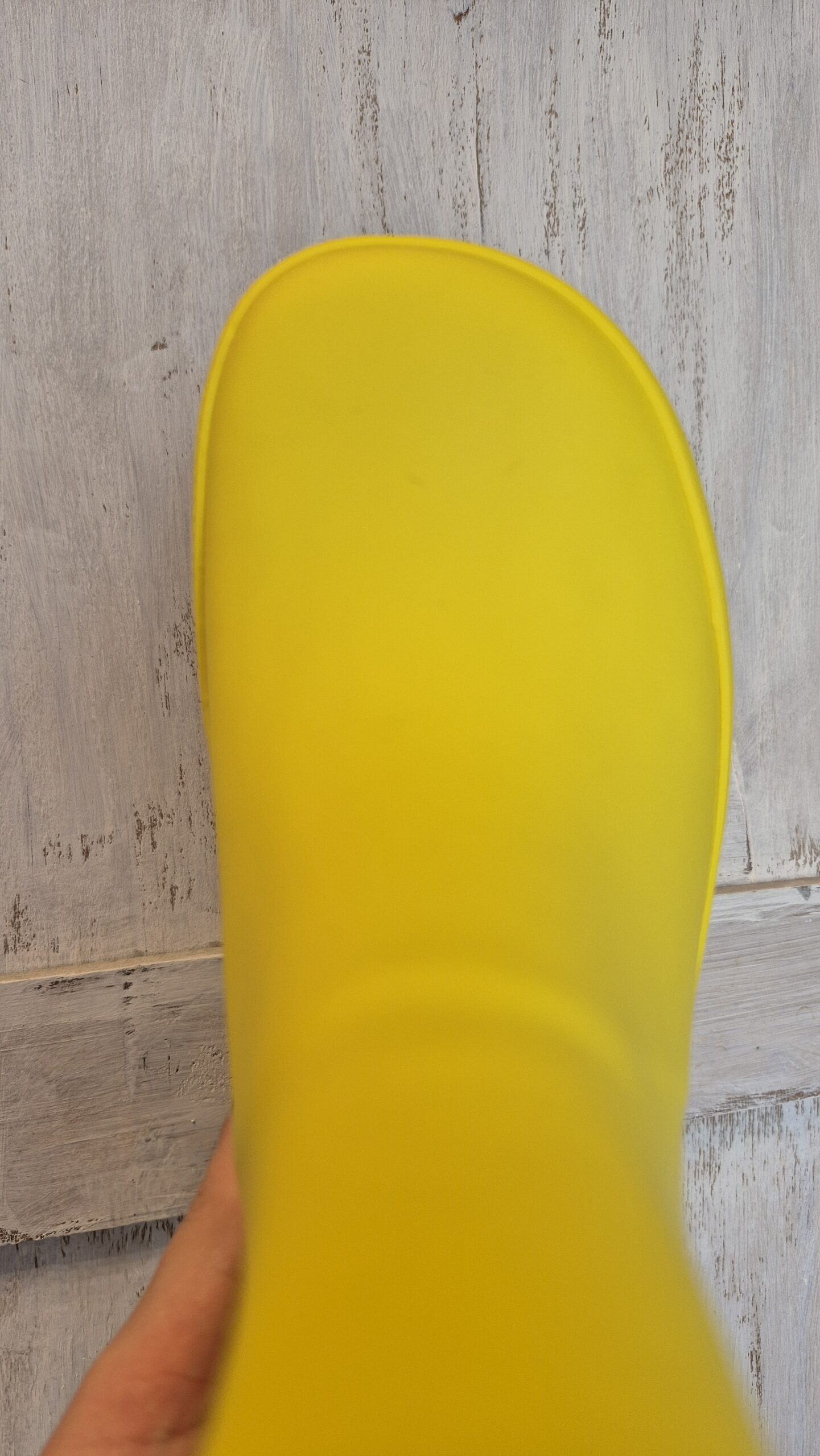
The rubber boots are best suited for medium to wide and higher feet. When choosing the right size, it's best not to leave too much extra room, as the rubber boot is not secured on the foot, which could cause the child to drag their feet. The recommended growth allowance is 1.0–1.2 cm.
| Length (cm) | Width (cm) | Shaft height | Weight (g) | |
| 22 | 14.5 | 6 | 13 | 217 |
| 23 | 15.0 | 6.5 | 12.5 | 234 |
| 24 | 15.5 | 6.5 | 14 | 246 |
| 25 | 16.5 | 6.7 | 14 | 257 |
| 26 | 17.3 | 7.0 | 15.5 | 288 |
| 27 | 18.0 | 7.1 | 15.2 | 288 |
| 28 | 18.5 | 7.1 | 16.5 | 324 |
| 29 | 19.3 | 7.5 | 17 | 324 |
| 30 | 20.0 | 7.5 | 18.5 | 367 |
| 31 | 20.5 | 7.5 | 18.5 | 357 |
| 32 | 21.0 | 7.5 | 20.5 | 395 |
| 33 | 21.5 | 7.9 | 21 | 415 |
The measurements are indicative and may vary slightly depending on the measurer. The measurements were taken by Lilz Kids and may differ from the manufacturer’s own data.
The insole length of the shoe has been measured using the Plus 12 tool. The Plus 12 measuring tool allows for measuring the actual inner length of the shoe. In our opinion, the Plus 12 provides more accurate results than measuring from the insole, as the insole is generally a few millimeters smaller than the actual interior measurement. The width is measured from the insole, but it is noticeable that there are a few millimeters of extra space.